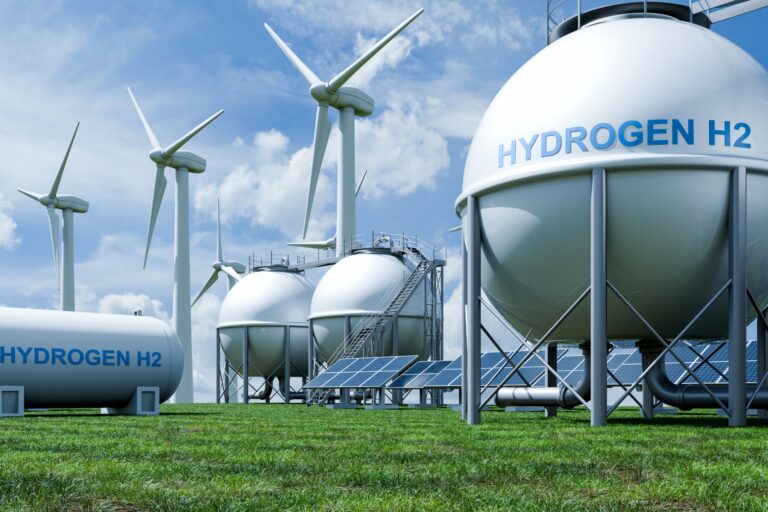
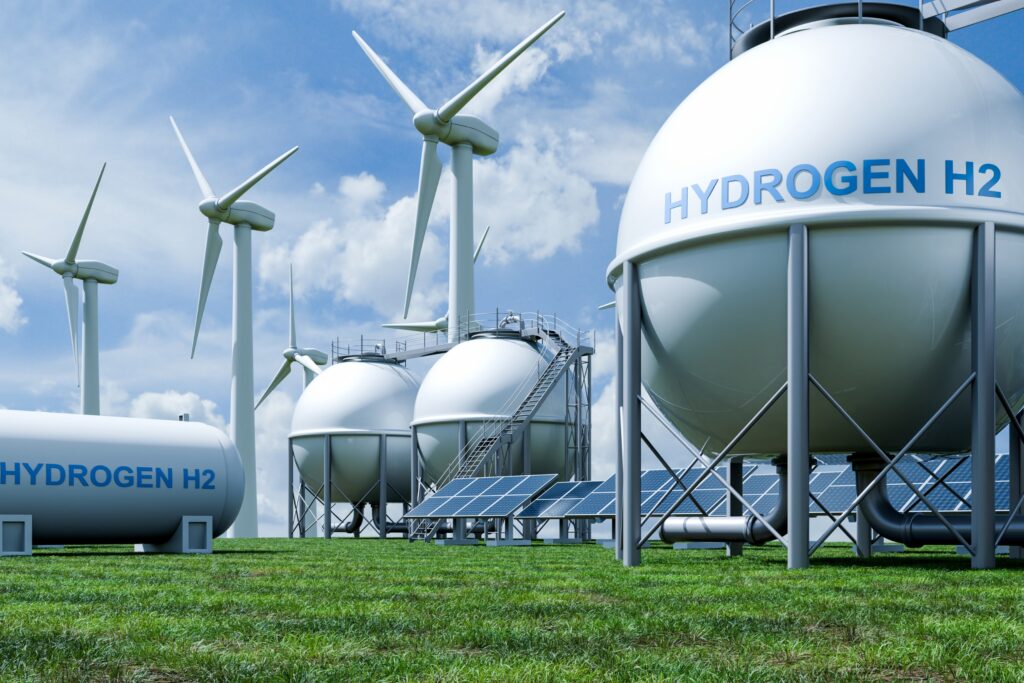
The relationship between energy and technology is the most fundamental partnership in the entire history of human civilization — every technological revolution in the human story has been enabled by, and has simultaneously demanded, a corresponding revolution in the energy systems whose power made the new technology possible. The steam engine and coal, the electric grid and fossil fuels, the digital revolution and the nuclear and natural gas power plants that fed it — each technological era has been defined as much by its energy source as by the specific machines and systems whose operation that source enabled. The technological revolution of the twenty-first century is no different, except in one critical respect: for the first time in the history of technology’s relationship with energy, the energy source that is powering the next wave of technological innovation is also the solution to the most serious environmental challenge that previous technological eras created. Renewable energy — the solar panels, the wind turbines, the geothermal systems, the hydroelectric installations, and the emerging energy technologies whose combination is progressively replacing the fossil fuel infrastructure that powered the industrial and digital revolutions with the clean, inexhaustible, increasingly affordable energy whose provision from the sun, the wind, and the earth itself creates the specific possibility of a technological civilization that can continue to expand its capabilities without the corresponding expansion of the carbon emissions whose accumulation has created the climate challenge that the twenty-first century most urgently requires the technology sector to address. This guide explores the most significant and the most transformative intersections between renewable energy and technology — the solar-powered data centers that are remaking the energy economics of the cloud computing infrastructure, the wind energy whose integration into the power grids that run the devices of the connected world is progressing faster than any previous energy transition, the battery technology whose rapid improvement is simultaneously enabling the electric vehicle revolution and the grid-scale energy storage that makes renewable electricity reliable rather than intermittent, and the artificial intelligence whose application to the optimization of renewable energy systems is creating the most efficient energy grids in the history of electrical power.
Solar Energy and the Technology Sector: Powering the Digital World With Sunlight
The technology sector’s relationship with solar energy has undergone the most dramatic transformation of any industry’s energy transition in the contemporary period — moving from the aspirational sustainability statements of the corporate social responsibility reports of the early 2010s through the genuine operational integration of the mid-2010s to the current reality in which the largest technology companies in the world have made the construction of utility-scale solar farms and the purchase of solar energy the core of their data center energy strategy rather than a peripheral sustainability gesture whose primary function was the production of positive press coverage rather than the genuine reduction of the carbon emissions whose scale in the energy-intensive data center operations of the world’s largest cloud computing companies is large enough to be measured in the hundreds of millions of tons of carbon dioxide equivalent per year. Google, Microsoft, Amazon, and Meta have collectively made commitments to power their global operations with renewable energy that range from Google’s decade-long achievement of the one hundred percent renewable energy matching through power purchase agreements and direct investment in renewable energy projects to Microsoft’s commitment to be carbon negative by 2030 and to remove all of the carbon the company has emitted since its founding by 2050 — commitments whose scale, whose specificity, and whose commercial backing reflect the genuine transformation of the technology sector’s relationship with renewable energy from aspiration to operational reality.
The solar panel’s cost reduction trajectory is the most dramatic and the most consequential single price decline in the history of energy technology — the ninety percent reduction in the cost per watt of solar photovoltaic panels since 2010 that has transformed solar electricity from the expensive niche energy source of the satellite and the remote-location application into the cheapest electricity source in human history in the specific markets and the specific installation configurations where the combination of solar resource, land cost, and installation scale creates the levelized cost of electricity that no other energy source — fossil or renewable — can currently match. This cost trajectory has made the corporate solar power purchase agreement — the long-term contract through which a technology company purchases solar electricity at a fixed price from a utility-scale solar facility whose construction the contract’s revenue enables — the most commercially rational energy procurement strategy available to any large electricity consumer whose long-term energy cost certainty and whose regulatory and reputational exposure to carbon pricing creates the specific risk profile that the fixed-price, zero-carbon renewable energy contract most directly addresses. The data center whose cooling and computing loads represent the most energy-intensive single-building function available in the entire built environment is the specific technology infrastructure whose energy cost reduction through solar power purchase agreements is most directly and most measurably valuable — the megawatt-scale solar contracts whose fixed electricity price is below the current grid average in every major US market create the specific energy cost advantage whose compounding across the twenty-year contract term produces the hundreds of millions of dollars in energy cost savings that make the renewable energy investment the most commercially rational energy strategy available to the technology sector’s largest electricity consumers.
The building-integrated solar technology whose application to the technology office campus, the manufacturing facility, and the data center creates the on-site solar generation that reduces grid dependence and creates the visible demonstration of the corporate energy commitment whose authenticity the rooftop solar installation most directly communicates — the Apple Park campus whose curved roof incorporates seventeen megawatts of rooftop solar, the Google campus buildings whose solar canopies cover the parking areas while generating the clean energy whose production the on-site installation most directly and most visibly demonstrates, and the Microsoft campus whose combination of rooftop solar, ground-mount solar, and the innovative application of solar canopies to the pedestrian pathways whose shading and power generation combination creates the most complete available integration of solar energy production into the campus environment — represents the specific technology and innovation application of solar energy whose visible presence in the physical infrastructure of the technology sector most completely communicates the genuine, operational nature of the sector’s renewable energy commitment to every person who visits, works at, or observes these facilities.
Wind Energy and the Power Grid: Fueling the Connected World
Wind energy is the renewable electricity source whose deployment at utility scale has progressed most rapidly and most cost-effectively in the specific grid contexts where the wind resource is strong, consistent, and geographically accessible — the Great Plains of the United States, the offshore wind corridors of the Atlantic and Pacific coasts, the high-altitude wind resources of mountain regions, and the trade wind zones of tropical coastlines whose combination of high average wind speeds and proximity to the coastal population centers that consume the most electricity creates the most commercially attractive deployment contexts available for the wind turbine technology whose nameplate capacity per installation has grown from the one-megawatt machines of the early 2000s to the fifteen-megawatt offshore turbines whose blade diameter exceeds the wingspan of the largest commercial aircraft and whose single installation’s annual electricity generation is sufficient to power several thousand American homes. The scale of this wind capacity growth — the United States alone now has more than one hundred and forty gigawatts of installed wind capacity whose generation supplies approximately ten percent of all American electricity consumption — represents the specific renewable energy transition achievement whose contribution to the decarbonization of the electrical grid that powers the technology sector’s devices, data centers, and manufacturing facilities is the most significant single renewable energy contribution to the technology sector’s energy supply currently available.
The specific relationship between wind energy and the technology sector extends beyond the simple electricity supply relationship into the more sophisticated domain of the computational systems whose operation the wind-powered grid most directly enables and whose specific capabilities the wind energy sector most directly needs for the optimization challenges that the variable output of wind generation creates at the grid management scale. The artificial intelligence applications whose deployment in wind farm operation — the machine learning algorithms whose analysis of wind speed, wind direction, turbine performance data, and weather forecast information optimizes the individual turbine’s pitch and yaw settings to maximize the energy capture from the available wind resource, the predictive maintenance systems whose vibration sensor and acoustic emission data analysis identifies the bearing wear or the gearbox condition whose unmanaged progression leads to the catastrophic failure that grounds the turbine for weeks and costs the hundreds of thousands of dollars in repair and lost generation that predictive intervention prevents — represent the specific intersection of technology and renewable energy whose bidirectional value creation is most completely demonstrated: the technology enables better wind energy, and the wind energy powers more technology.
Offshore wind is the renewable energy development whose combination of the stronger and more consistent wind resources available over open water, the reduced visual and noise impact whose absence of the nearby residential population makes the aesthetic and community acceptance challenges that onshore wind development most frequently encounters less significant, and the proximity to the dense coastal population centers whose electricity demand is the largest and whose transmission infrastructure build-out is the most cost-effective creates the specific deployment context that the federal government’s offshore wind leasing program and the state-level offshore wind procurement mandates have collectively identified as the most commercially viable and the most policy-supported expansion opportunity available in American wind energy. The offshore wind turbine installation vessels, the underwater cable systems, the floating platform technologies whose development enables the deployment of wind turbines in the deep-water locations where the best offshore wind resources exist beyond the depth range of the fixed-bottom installations that the current shallow-water offshore wind fleet uses, and the port infrastructure whose investment supports the manufacturing and the logistics of the offshore wind supply chain represent the specific technology and infrastructure investment whose deployment is transforming the energy geography of the American coastal economy with a commercial and environmental significance whose full impact will be most completely visible across the next two decades of the offshore wind development program whose current early stages are establishing the foundation.
Battery Technology and Energy Storage: Making Renewable Energy Reliable
The single most significant technical challenge in the large-scale deployment of renewable energy is the intermittency whose nature as the output variability of the solar panel that produces nothing at night and the wind turbine that produces nothing in calm weather creates the specific mismatch between renewable energy supply and electricity demand that the energy storage technology whose rapid development in the 2020s is progressively and increasingly cost-effectively addressing. The battery — whose lithium-ion chemistry’s extraordinary cost reduction trajectory from the prohibitively expensive storage technology of the early 2010s to the increasingly economically competitive grid-scale storage resource of the present — is the technology whose improvement most directly enables the transition from the fossil fuel backup generation that currently fills the gaps in renewable energy supply to the clean stored energy whose provision from the batteries charged during the surplus renewable generation periods and discharged during the deficit periods creates the fully renewable electricity supply that the technology sector’s twenty-four-hour, weather-independent power demand most specifically requires.
The electric vehicle battery pack — whose engineering for the specific requirements of the automotive application has simultaneously driven the battery cost reductions and the energy density improvements whose application to the stationary grid storage creates the most commercially validated and the most rapidly scaling battery technology available for deployment at the grid scale — is the technology whose development by Tesla, Panasonic, CATL, LG Energy Solution, and the other major battery manufacturers has created the supply chain, the manufacturing scale, and the cost reduction trajectory whose benefits extend from the electric vehicle into the grid storage application with the specific commercial logic of the dual-use technology whose automotive volume creates the manufacturing scale that makes the grid storage cost competitive. The Tesla Megapack, the Fluence Gridstack, and the equivalent utility-scale battery storage products from the other major energy storage manufacturers represent the specific technology and innovation products whose deployment at the grid scale is creating the energy storage infrastructure whose presence in the electrical grid transforms the renewable energy generation capacity from the variable, weather-dependent supply that requires fossil fuel backup into the firm, dispatchable, clean electricity source that the fully decarbonized grid most fundamentally requires.
The solid-state battery whose development by Toyota, QuantumScape, Solid Power, and the academic research institutions whose fundamental materials science breakthroughs are enabling the transition from the liquid electrolyte of the conventional lithium-ion battery to the solid electrolyte whose specific safety, energy density, and charging speed advantages address the most significant limitations of the liquid electrolyte battery technology represents the next generation of battery technology whose commercial realization in the automotive and grid storage applications would most dramatically accelerate the renewable energy transition by enabling the specific combination of higher energy density, faster charging, longer cycle life, and elimination of the fire risk that the solid electrolyte’s non-flammable character most directly provides. The timeline of solid-state battery commercialization remains the subject of the most actively contested predictions in the energy technology investment community — but the specific combination of the commercial investment, the academic research output, and the manufacturing scale investment that the major automotive and technology companies have committed to solid-state battery development creates the conditions for the specific breakthrough whose arrival, whenever it occurs, will represent one of the most consequential single technology milestones in the history of the renewable energy transition.
Artificial Intelligence and Smart Grid Technology: Optimizing the Clean Energy Future
The application of artificial intelligence to the optimization of energy systems — the smart grid management platforms, the demand response systems, the predictive maintenance tools, the renewable energy output forecasting models, and the distributed energy resource management systems whose collective deployment across the electrical grid is creating the most intelligent and the most efficiently operated electricity infrastructure in the history of electrical power — represents the most direct and the most consequential intersection between the two transformative technologies of the twenty-first century: artificial intelligence and renewable energy. The specific challenge of integrating large amounts of variable renewable energy into the electrical grid — the management of the real-time balancing between the fluctuating output of the wind and solar generation and the moment-to-moment variation in electricity demand across the millions of consumers whose collective consumption creates the load curve whose matching with the available generation is the fundamental operational challenge of every electrical grid in the world — is precisely the kind of complex, data-intensive, real-time optimization problem for which the machine learning algorithms whose specific capabilities of pattern recognition, predictive modeling, and real-time decision optimization most directly and most completely equip the artificial intelligence system to outperform the conventional rule-based control systems that managed the fossil fuel grid’s more predictable and more dispatchable generation portfolio.
The DeepMind AI system whose deployment in the management of Google’s data center cooling systems reduced the cooling energy consumption by forty percent relative to the best human-operated performance available — the specific application of reinforcement learning whose training on the data center’s operational data produced the control policies whose dynamic optimization of the cooling system’s thousands of interacting variables created the efficiency improvement that the human operator’s inability to simultaneously consider the full dimensionality of the optimization problem prevented — is the most widely cited and the most directly quantifiable demonstration of the specific value that artificial intelligence creates when applied to the energy management of the technology sector’s most energy-intensive infrastructure. The extension of this AI-driven energy optimization from the individual data center to the electrical grid whose management complexity is orders of magnitude greater than any individual building’s energy system creates the specific opportunity for the artificial intelligence application whose commercial and environmental value — in the reduced curtailment of renewable energy, the reduced need for fossil fuel peaking generation, the improved utilization of the transmission infrastructure, and the overall reduction in the carbon intensity of the electricity supply that the optimized grid most efficiently produces — is proportionate to the scale of the challenge it is addressing and to the economic value of the electricity system whose optimization the most advanced AI grid management platforms are increasingly demonstrating is achievable at the commercial scale of the deployed system rather than merely the research-scale demonstration.
The Green Data Center Revolution: Where Technology and Renewable Energy Most Completely Converge
The data center is the physical infrastructure whose energy consumption is the single most direct and the most completely addressable intersection between the technology sector and the renewable energy transition — the building type whose electricity demand is the largest, the most concentrated, and the most continuously growing of any single-building category in the built environment, and whose specific combination of the twenty-four-hour operational requirement, the large and predictable load profile, and the geographic flexibility of siting that makes renewable energy procurement both commercially rational and physically achievable creates the specific conditions for the green data center whose complete operation on renewable energy represents the most complete available demonstration of the technology sector’s ability to operate without the carbon emissions whose production by the fossil fuel electrical grid the renewable energy purchase or the on-site renewable generation most directly and most measurably avoids. The green data center revolution — the transformation of the data center industry from the largest single category of the technology sector’s carbon footprint into the most rapidly decarbonizing segment of the built environment — is the specific technology and innovation achievement whose combination of the renewable energy transition’s cost reduction, the AI-driven efficiency optimization, and the corporate sustainability commitments whose genuine operational backing distinguishes them from the greenwashing that less commercially grounded sustainability statements most commonly produce is creating the specific possibility of a data center industry whose net carbon emissions approach zero within the decade whose technology developments are making that specific outcome commercially rational rather than merely aspirationally desirable for the companies whose business success depends on the credibility of the sustainability commitments whose fulfillment the operational investment in the green data center most completely and most verifiably demonstrates.
The specific technology innovations whose combination in the green data center creates the most complete available integration of renewable energy with high-performance computing include the liquid cooling systems whose efficiency advantage over the air cooling of the conventional data center reduces the cooling energy consumption whose share of the total data center electricity use can exceed forty percent, the direct current power distribution whose elimination of the alternating current to direct current conversion losses in the conventional power supply chain reduces the electrical losses whose compounding across the full power delivery chain of the large data center creates the specific efficiency improvement whose value at the megawatt scale of the utility data center is measured in the millions of dollars of annual energy cost reduction, and the waste heat recovery systems whose capture of the thermal energy that the computing equipment necessarily produces and whose application to the district heating systems of the surrounding community or to the on-site building heating loads creates the specific energy cascade whose exploitation transforms the data center from the pure energy consumer of the conventional operation into the energy hub whose waste heat resource creates the specific additional value whose realization is most completely achieved in the specific geographic and infrastructure contexts where the district heating market or the co-location of the industrial or residential heat consumer creates the deployment opportunity that the waste heat recovery technology most directly requires.
Conclusion
The convergence of renewable energy and technology is not merely the story of the technology sector’s transition to clean power — it is the story of the most consequential partnership in the history of human energy and human innovation, whose specific combination of the unprecedented cost reduction of solar and wind energy, the battery storage technology whose improvement is making renewable electricity reliable and dispatchable, the artificial intelligence whose optimization of energy systems is creating the most efficient electrical infrastructure ever built, and the green data center whose realization of the fully renewable technology operation demonstrates what the complete convergence of these technologies most completely achieves together creating the specific possibility of a technological civilization whose expansion of capability no longer requires the expansion of carbon emissions that the previous technological eras most directly and most consequentially produced. The technology sector’s specific contribution to this convergence — the computational power, the machine learning algorithms, the sensor technology, the communication systems, and the data analytics whose deployment across the renewable energy infrastructure is creating the smart, efficient, reliable clean energy system that the decarbonized future most fundamentally requires — is the most direct available expression of the technology and innovation community’s capacity to apply its specific capabilities to the most important challenge of the era whose solution most completely determines the quality of the world that the technologies being built today will operate in across the decades and the centuries whose energy foundation the choices made in the current transformative moment are most consequentially and most irreversibly establishing.