
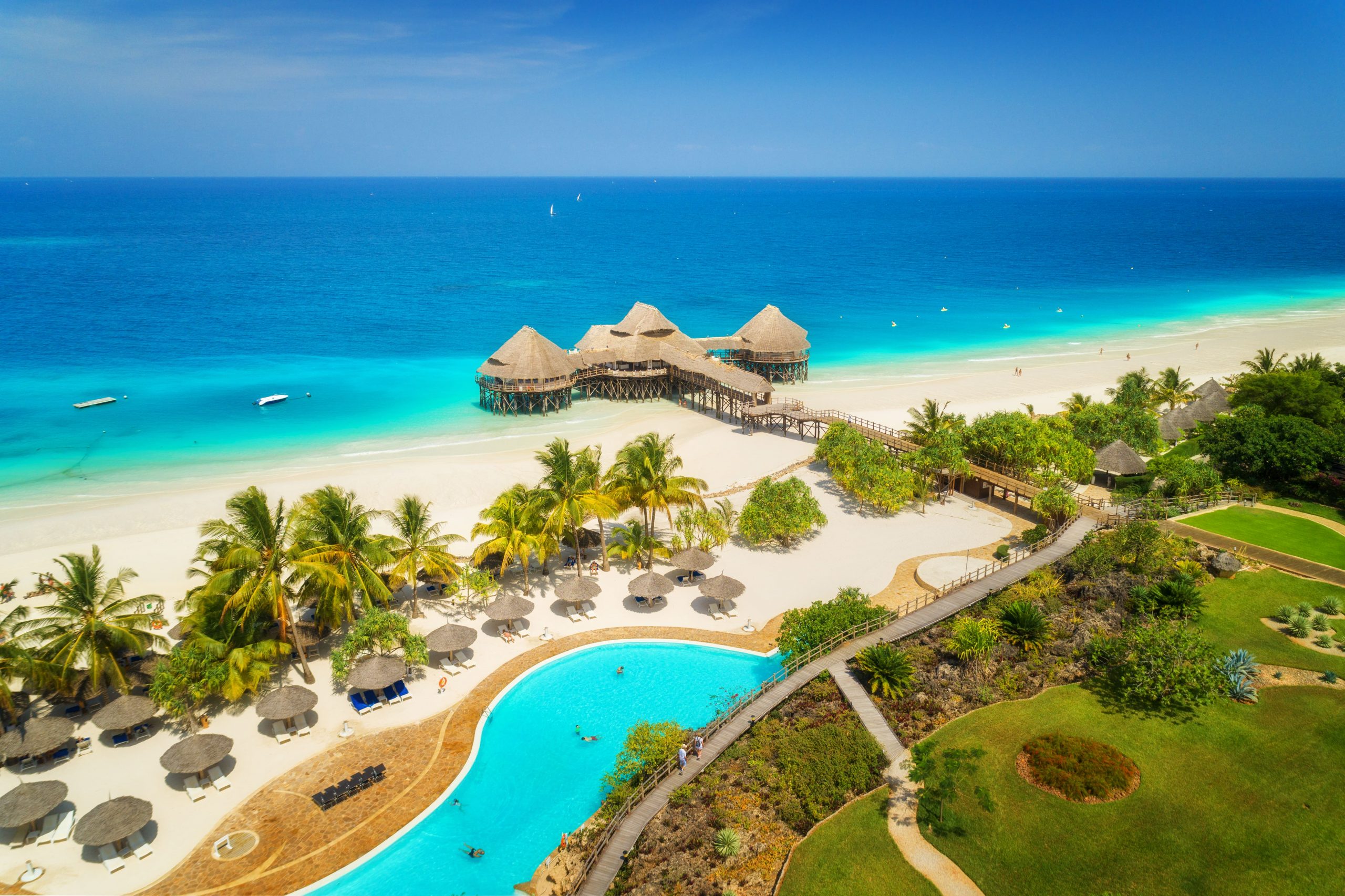
Starting a beach hotel is a dream venture for many entrepreneurs who are drawn to the beauty of coastal destinations and the growing demand for relaxing travel experiences. Beachfront properties attract tourists seeking comfort, scenic views, and memorable stays, making them highly appealing investments. However, building a successful beach hotel requires more than just a desirable location. It involves careful planning, strong financial management, and a clear understanding of the hospitality industry.
From choosing the right site to designing guest-friendly spaces and delivering excellent service, every detail plays a crucial role in creating a thriving business. Coastal properties also come with unique challenges, such as environmental factors and seasonal demand, which must be considered during the planning phase. This article explores the essential steps involved in starting a beach hotel and how to turn a coastal property into a profitable and sustainable hospitality business.
Conducting Market Research and Understanding Demand
Before starting a beach hotel, it is essential to conduct thorough market research. Understanding the target audience helps determine what type of hotel will succeed in a specific location. Travelers visiting beach destinations may include families, couples, or luxury tourists, each with different expectations.
Analyzing competitors in the area provides valuable insights into pricing, services, and guest preferences. Identifying gaps in the market can help create a unique offering that stands out. For example, a boutique beachfront hotel or an eco-friendly resort may attract a specific audience segment.
Seasonal trends also play a significant role in coastal tourism. Some destinations experience peak seasons, while others attract visitors year-round. Understanding these patterns helps in planning operations and pricing strategies effectively.
By gathering accurate data and insights, entrepreneurs can make informed decisions and position their beach hotel for long-term success.
Creating a Detailed Business Plan
A well-structured business plan is the foundation of any successful hotel project. It outlines the vision, objectives, and strategies required to develop and operate the beach hotel.
The plan should include financial projections, estimated costs, and funding requirements. It should also define the hotel’s concept, such as luxury, mid-range, or budget accommodation. This clarity helps guide design, marketing, and operational decisions.
Marketing strategies are another important component of the plan. Identifying how to attract guests, promote the property, and build a brand ensures a strong market presence.
In Business and Finance, having a clear and comprehensive plan is essential for securing investment and maintaining financial stability throughout the project.
Securing Funding and Managing Costs
Starting a beach hotel requires significant investment. Costs may include land acquisition, construction, interior design, staffing, and marketing. Securing adequate funding is a critical step in the process.
Entrepreneurs often explore various funding options, such as bank loans, private investors, or partnerships. Presenting a strong business plan increases the likelihood of obtaining financial support.
Cost management is equally important. Careful budgeting ensures that resources are allocated efficiently and prevents overspending. It is also important to set aside funds for unexpected expenses, especially in coastal areas where environmental factors may impact construction.
Long-term financial planning helps maintain profitability and supports future expansion. By managing costs effectively, developers can ensure a stable and sustainable business.
Selecting the Ideal Beachfront Location
Location is one of the most important factors in the success of a beach hotel. A prime beachfront site with easy access to attractions, transportation, and local amenities enhances the overall appeal.
The natural environment should also be considered. Factors such as climate, water quality, and scenic views contribute to the guest experience. A location with clean beaches and attractive surroundings is more likely to attract visitors.
Accessibility is another key consideration. Proximity to airports, highways, and tourist destinations makes it easier for guests to reach the hotel.
Choosing the right location ensures that the hotel attracts the desired audience and remains competitive in the market.
Designing a Comfortable and Attractive Space
The design of a beach hotel should reflect relaxation, comfort, and the natural beauty of the surroundings. Architecture and interior design play a significant role in creating a memorable guest experience.
Open spaces, natural lighting, and coastal-inspired decor help create a welcoming atmosphere. Guest rooms should offer comfort and convenience, with views that enhance the overall experience.
Amenities such as pools, restaurants, and recreational facilities add value and attract guests. Outdoor areas, such as lounges and beach access points, are particularly important for a coastal property.
Sustainability should also be considered in the design process. Using eco-friendly materials and energy-efficient systems can reduce environmental impact and appeal to modern travelers.
A well-designed hotel creates a strong impression and encourages repeat visits.
Building a Skilled and Service-Oriented Team
The success of a beach hotel depends heavily on the quality of its staff. Employees must be trained to provide excellent service and create positive guest experiences.
Hiring experienced professionals for key roles ensures smooth operations. Positions such as front desk staff, housekeeping, and management are essential for maintaining high standards.
Training programs should focus on communication, hospitality skills, and attention to detail. Staff should be prepared to handle guest requests efficiently and professionally.
Creating a positive work environment also contributes to employee satisfaction and performance. Motivated staff are more likely to deliver exceptional service.
A dedicated and well-trained team is a key factor in achieving long-term success in the hospitality industry.
Developing Effective Marketing Strategies
Marketing plays a crucial role in attracting guests to a beach hotel. A strong brand identity helps differentiate the property from competitors and create a lasting impression.
Digital marketing is particularly important. A well-designed website, high-quality images, and engaging content showcase the hotel’s features and attract potential guests.
Social media platforms provide opportunities to reach a wider audience and promote special offers. Collaborations with travel agencies and influencers can also enhance visibility.
Guest reviews and testimonials are valuable for building trust. Encouraging satisfied guests to share their experiences helps strengthen the hotel’s reputation.
Effective marketing ensures consistent bookings and supports long-term growth.
Delivering Memorable Guest Experiences
Providing exceptional guest experiences is the ultimate goal of a beach hotel. Guests expect more than just accommodation; they seek relaxation, comfort, and unique experiences.
Personalized services, such as customized activities or special arrangements, can enhance the stay and create lasting memories. Attention to detail, from room cleanliness to staff interactions, plays a significant role in guest satisfaction.
Consistency is essential in maintaining high standards. Every guest should receive the same level of service, ensuring a reliable and enjoyable experience.
Feedback and continuous improvement help refine services and meet evolving expectations. By focusing on guest satisfaction, hotels can build loyalty and attract repeat visitors.
Conclusion
Starting a beach hotel involves a combination of strategic planning, financial investment, and a commitment to delivering exceptional hospitality. From conducting market research and securing funding to designing attractive spaces and building a skilled team, each step plays a vital role in creating a successful business. The right location, strong branding, and effective marketing strategies further contribute to long-term growth and profitability. Within Business and Finance, a beach hotel represents a significant investment that can yield rewarding returns when managed effectively. By focusing on quality, guest experience, and sustainable practices, entrepreneurs can build a thriving coastal hotel that stands out in a competitive market.